Live Synced Next sync 30:00 Checking 38 newsrooms…
Sunday, October 18, 2026
Science

OpenAI is building a humanoid robot, but the body isn't the real challenge
Engadget By staff@engadget.com (Husain Parvez)
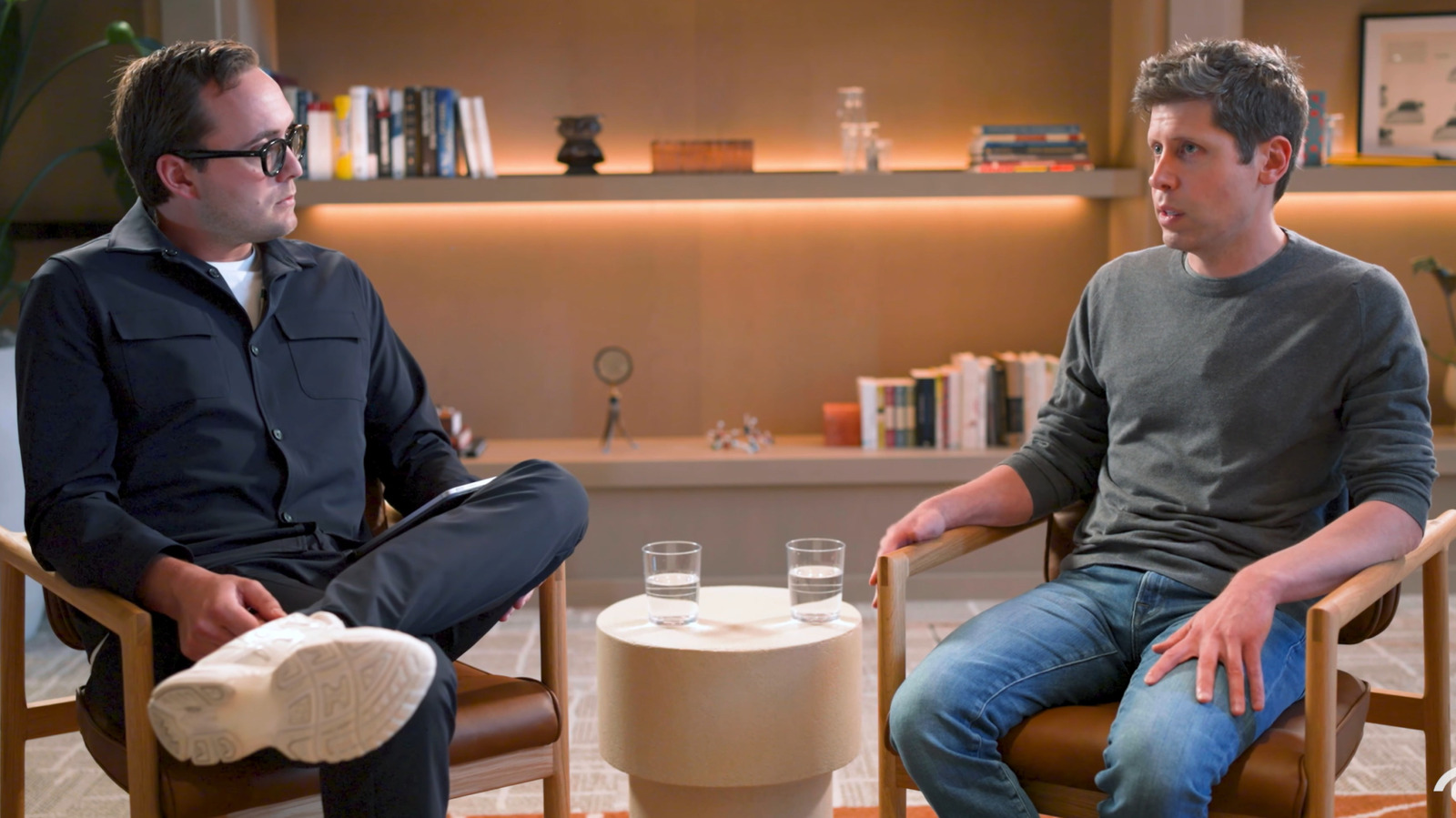
Image: Engadget

OpenAI CEO Sam Altman wants a humanoid that can operate in a world designed for people, though the CEO says a robot 'brain' is a much bigger challenge.

Excerpt from Engadget

Read the full story at Engadget

The day in tech, worldwide, in five minutes.

The ten stories that mattered, why they matter, and where to read the full reporting. Every weekday morning.

One email each weekday. Unsubscribe with one click.

Almost done: check your inbox and confirm with one click.

More on DigiVona

All Science
AI

Replit makes OpenAI its default over Anthropic, CEO says

Over the weekend, Masad clarified that OpenAI would replace Anthropic as its default model provider. Claude will still be available to customers on the platform.

Excerpt from TechCrunch
TechCrunch
AI

FTC subpoenas OpenAI and Anthropic over AI safety incidents

The US Federal Trade Commission has sent civil investigative demands to Anthropic and OpenAI, seeking documents about the safety incidents involving their AI models. The demands went out on Wednesday, Axios first reported, citing a person familiar with the matter.

Excerpt from The Next Web
The Next Web
AI

OpenAI’s London staff averaged £2.3m each in 2025, Guardian reports

OpenAI’s 110 staff in London received an average of about £2.3m each in 2025, counting salaries and shares. The figures come from the accounts of OpenAI UK Ltd, as Robert Booth reported for The Guardian. The staff shared £87m in salaries and £168m in shares, the Guardian said.

Excerpt from The Next Web
The Next Web
AI

Eight US states sue OpenAI, alleging ChatGPT harms children

Attorneys general in Arizona, Arkansas, Idaho, Iowa, Kansas, Montana, Nebraska and West Virginia filed separate lawsuits against OpenAI on 14 October. Each claims ChatGPT has hurt young users and that the company misled the public about its safety.

Excerpt from The Next Web
The Next Web