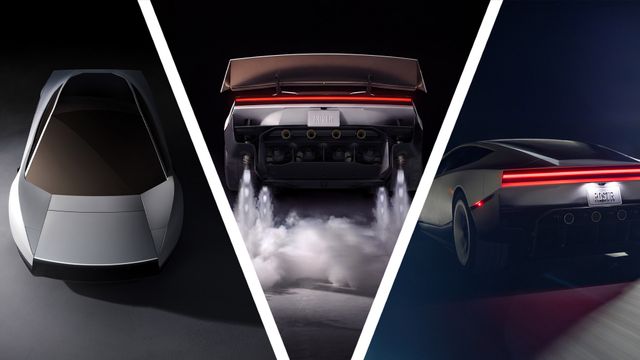
The flying Tesla Roadster is an overbaked idea from my least favorite person
Elon Musk finally unveiled his-long-promised rocket-powered, flying Roadster, and it's exactly what we don't need right now.
Older stories.
Elon Musk finally unveiled his-long-promised rocket-powered, flying Roadster, and it's exactly what we don't need right now.
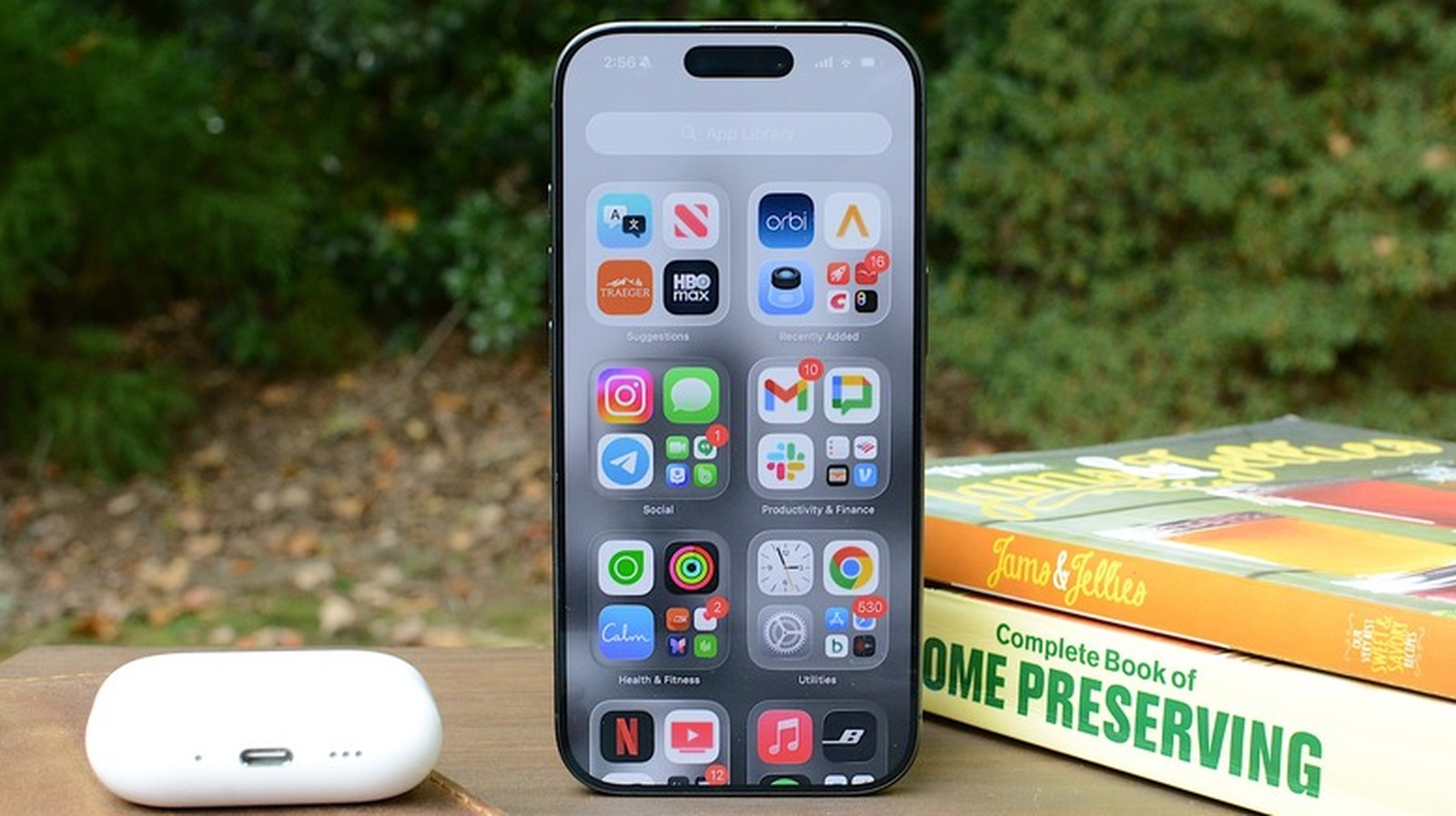
If a company like Apple could offer $29 batteries before, it can do so again.

It turns out the Roadster 2 both sucks and blows.
Amulya Vishwanath, who spent seven years leading product marketing for NVIDIA’s robotics platforms, says robotics is currently in its “Lego era,” with the basic building blocks like actuators, robotic hands, software, and safety standards still being rebuilt.

Shortly after NASA’s Artemis II mission splashed down on April 10, 2026, U.S. Navy divers captured underwater imagery of the Orion spacecraft’s heat shield.
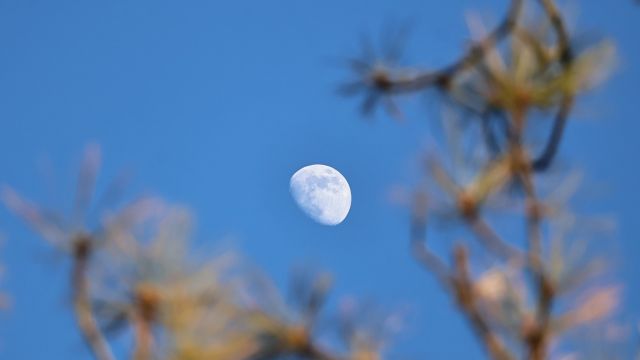
You don't have to wait until dark to see the moon. Here's why it appears in broad daylight — and why this week is a particularly good time to spot it.
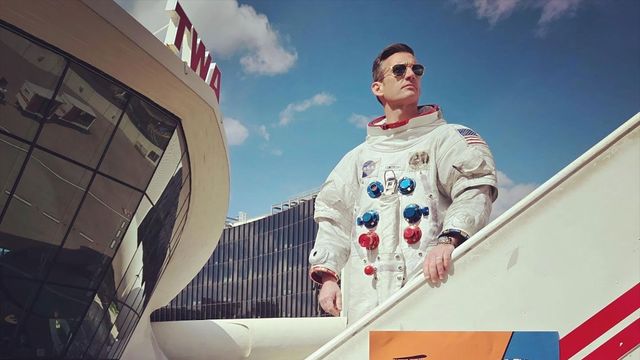
Your invitation to revisit the Space Age has arrived.Whether you miss the days when people got dressed up to fly or wish your other ride was a rocket, Mission: 60s has a *space* reserved for you.

I’m no rocket scientist, but I’m not sure the vehicle on display was a fully functional car that a human can drive.
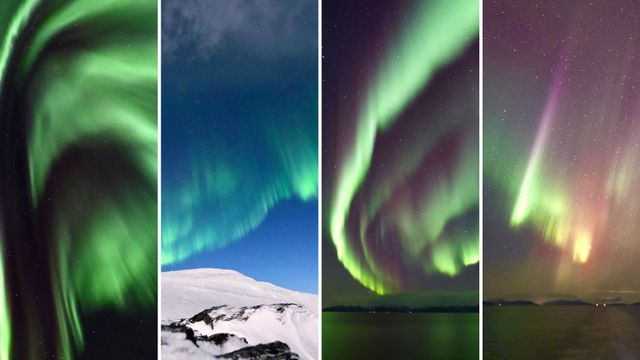
I've chased the northern lights across the Arctic. Here are seven destinations worth considering for your next aurora adventure.

As the supercooled propellant flowed into the core stage, and NASA’s SLS (Space Launch System) rocket roared to life, Allison Mjoen and her family watched with awe and pride.
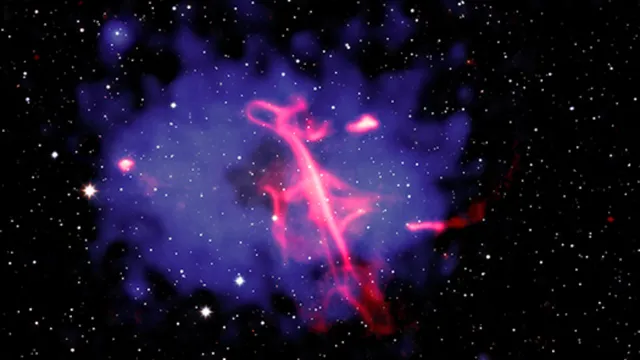
What looks like a neon pink treble clef floating out in space is actually a bizarre source of radio waves spotted deep in the cosmos.
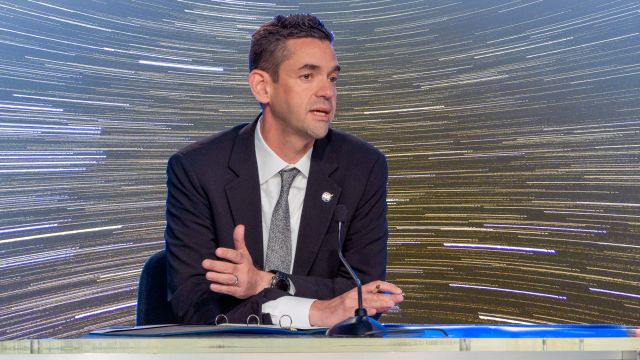
Internal NASA documents and meeting recordings reveal how Trump's executive order to rename AI as "super intelligence" is reshaping agency communications and digital systems — and raising concerns among employees as top officials push to accelerate the changes.
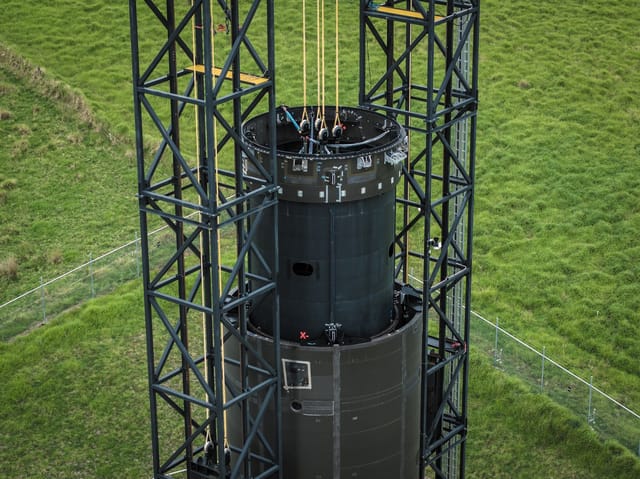
Rocket Lab is delaying the first launch of its 'Neutron' rocket to sometime in 2027, a decision that will slow its ability to gain ground on SpaceX and amplify concerns about overall near-term launch capacity for LEO satellites.
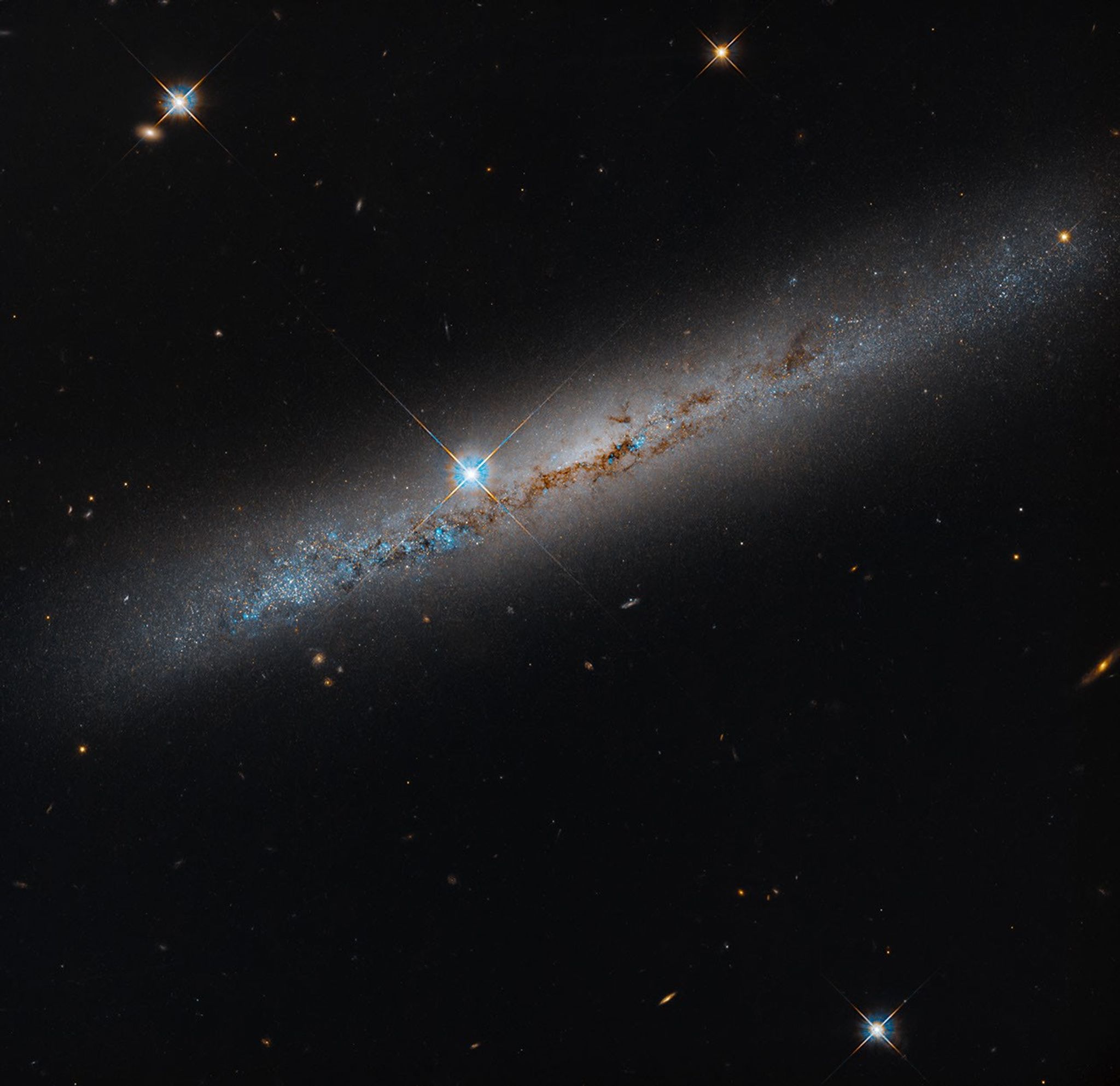
This NASA Hubble Space Telescope image features the edge-on, intermediate spiral galaxy NGC 1827, located roughly 37 million light-years away in the constellation Columba, the Dove.
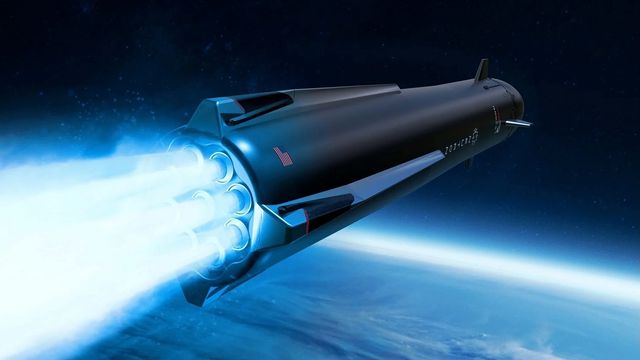
Rocket Lab has delayed the debut of its powerful, partially reusable Neutron launcher to 2027 due to a manufacturing issue.
Also in today's EMEA regional roundup: Connexin secures smart meter financing; Ericsson logs on to Sferical AI; Bouygues wins Wi-Fi gong.

The pioneering reusable upper stage for Stoke Space's Nova rocket ships out for testing.